
Uncovering the truths behind gambling myths and misconceptions
The Illusion of Control
One of the most pervasive myths in gambling is the belief that players can control the outcome of games through skill or strategy. Many gamblers operate under the notion that past outcomes can predict future results, leading to the phenomenon known as the “gambler’s fallacy.” This fallacy suggests that if a particular outcome has occurred frequently in the past, it is less likely to happen in the future, which is a misunderstanding of how random events work. It’s essential to be aware of resources that can guide safer practices, especially if exploring options like casinos not on gamstop.

In reality, most casino games, especially slot machines and table games, rely on random number generators that ensure outcomes are entirely unpredictable. Players may believe they can influence their chances with specific strategies, but the truth is that chance dictates the results. Understanding this can help gamblers make more informed decisions and reduce the emotional impact of losses.
The Myths of Luck and Superstition
Superstitions are rampant in the gambling world, with many players believing that specific rituals can bring good luck. From lucky charms to particular seating arrangements at poker tables, these behaviors often stem from a human desire to find patterns in randomness. However, these superstitions have no scientific basis and can often lead to irrational decision-making.
While it’s perfectly normal for players to develop personal rituals that make them feel more comfortable, it’s essential to recognize that luck is not a controllable factor. Embracing a rational approach to gambling can help mitigate losses and promote a healthier relationship with the activity.
The Misunderstanding of House Edge
The concept of the house edge is frequently misunderstood by gamblers. Some believe that certain games have better odds and, therefore, are more favorable for players. While it is true that some games, like blackjack or poker, offer better odds than others, the house edge remains a built-in advantage for the casino regardless of the game. This means that, over time, the casino will always win more than it loses.
Understanding the house edge is crucial for players who want to make the most of their gambling experience. It allows them to choose games wisely and set realistic expectations. Knowledge about the odds can help players approach gambling as entertainment rather than a way to make money.
The Impact of Gambling Addiction
Gambling addiction is a serious issue that affects many individuals, yet misconceptions about this condition persist. Some view gambling addiction as a failure of willpower or personal responsibility, overlooking the psychological and neurological factors that contribute to compulsive gambling. It is crucial to understand that gambling addiction can be as debilitating as substance abuse disorders.
Recognizing the signs of gambling addiction, such as a preoccupation with gambling or the need to gamble with increasing amounts of money, is vital for early intervention. Those affected should seek support and guidance to address their gambling behavior and reclaim control over their lives.
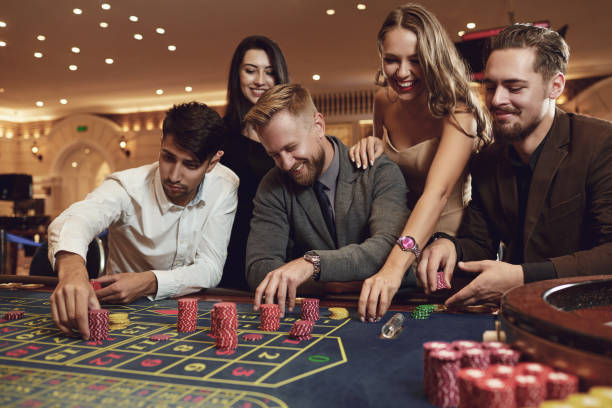
Resources for Responsible Gambling
There are numerous resources available for individuals looking to navigate the complexities of gambling responsibly. Many websites offer tools and information to help users identify potential gambling issues and seek assistance. These resources can provide invaluable support, ensuring that individuals have access to necessary information and guidance.
For anyone engaging in gambling activities, understanding the myths and realities behind gambling can promote a healthier experience. It is essential to approach the activity with a clear perspective, armed with knowledge about the risks and rewards involved. By fostering responsible gambling behaviors, players can enjoy their experiences while minimizing harm.
Products
-
 Moroccan Mint tea
₨2,222.50
Moroccan Mint tea
₨2,222.50
-
 Desi Chai
₨2.50
Desi Chai
₨2.50
-
 Orange Juice
₨7.99
Orange Juice
₨7.99
-
 Coke & Sprite
₨5.99
Coke & Sprite
₨5.99
-
 Bottle Of Water
₨1.20
Bottle Of Water
₨1.20